How to manage secure IT asset disposition: a stage-by-stage guide for UK businesses
Blogs and Articles
From risk management and compliance to recovering maximum asset value, discover how a stage-by-stage strategy ensures secure IT asset disposition for your business.

Make your hardware work harder when devices reach end-of-life. From laptops to servers, we protect your data with a secure chain of custody and audit-ready reporting. Securely remarket or recycle your retired IT assets to minimise risk and unlock new value.
What is IT asset disposition?
IT asset disposition, or ITAD, is the process of retiring end-of-life IT equipment in a secure, controlled, and documented way. It covers activities such as data destruction, reuse assessment, remarketing, recycling, and final reporting.
Why does secure IT equipment disposal matter?
Secure IT asset retirement goes beyond basic operations. It is a critical step in actively protecting your business, ensuring compliance with UK’s laws and regulations, and safeguarding sensitive data.
By applying the proper controls as devices leave your network, your organisation maintains visibility, strengthens its audit readiness, and secures its reputation.
A secure ITAD process helps your business:
- Protect sensitive and personal data
- Reduce compliance risk
- Maintain a clear chain of custody
- Support responsible recycling and sustainability targets
- Recover residual value from eligible devices through remarketing
Featured services & solutions
Secure IT Asset Lifecycle Management (ALM) Solutions
Secure, sustainable hardware asset management and IT asset disposition solutions
Corporate IT Asset Disposition (ITAD) Services
Secure your IT assets from deployment to disposal. Iron Mountain’s IT asset lifecycle management services maximise value, ensure compliance and protect data.
Maximising the value of IT assets
Immediate destruction of every retired asset is not always necessary, or cost-effective. Many decommissioned assets can be refurbished and resold to return capital to your IT budget. The right outcome depends on device condition, business policy, security requirements, and the type of data involved.
ITAD outcomes include:
- Reuse or redeployment: Some assets can be refreshed and reassigned within the organisation.
- Remarketing: Devices with residual value may be prepared for resale, helping reduce total cost of ownership.
- Recycling: Equipment that cannot be reused should be processed through approved recycling channels.
- Secure data destruction: Depending on business requirements, data-bearing media can be physically destroyed and recycled, or wiped using certified, NCSC compliant sanitisation software.
What happens when IT asset disposal goes wrong?
Data breaches and leaked records
Laptops, servers, phones, and storage media can still hold sensitive information long after they stop being used. If data is not properly erased or destroyed, it may be exposed to unauthorised access.
Failed compliance audits
End-of-life equipment must be managed in line with internal policies, data protection requirements, and applicable legal obligations. Weak documentation or poor asset tracking can create problems during internal reviews or external audits.
Environmental liabilities
Electronic equipment contains materials that must be handled responsibly. A poorly managed disposal process can increase electronic waste, reduce recycling effectiveness, violate regulations, and work against environmental objectives.
Compromised customer trust and lost business reputation
A disorganised process can also damage trust if stakeholders believe assets or data were not managed properly.
Key business benefits of ITAD
Managing end-of-life technology presents a major financial and environmental opportunity. Instead of paying to store decommissioned gear, a structured ITAD programme helps businesses recover untapped hardware value, optimise storage / office space, and ensure responsible, waste-free recycling.
A well-managed ITAD approach supports:
- Stronger data protection
- Better asset visibility
- Improved audit readiness
- More responsible recycling outcomes
- Value recovery through remarketing
- Progress against sustainability goals
The stage-by-stage ITAD process
An effective ITAD process starts before any equipment ever leaves your facility.
British organisations need a structured approach that identifies what is being retired, who is responsible, how data will be removed, and what happens to the asset next, which is critical to unlocking your assets’ value.
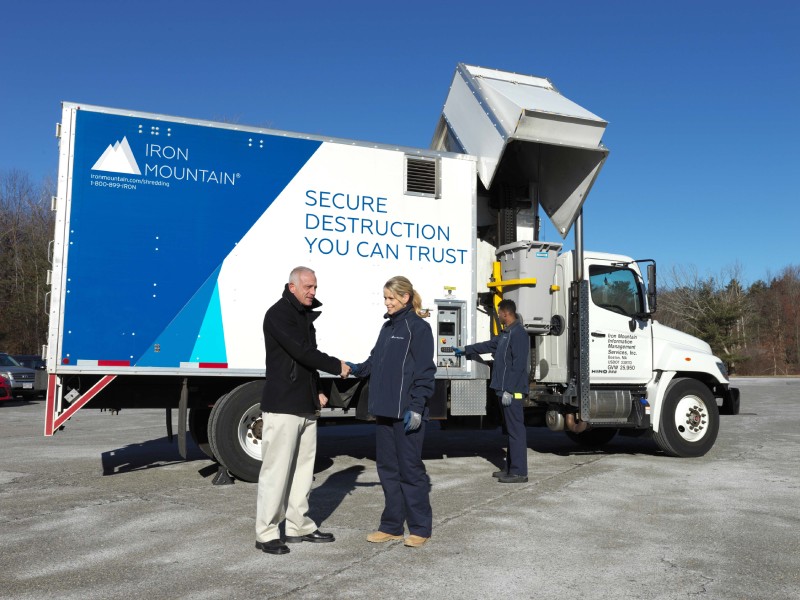
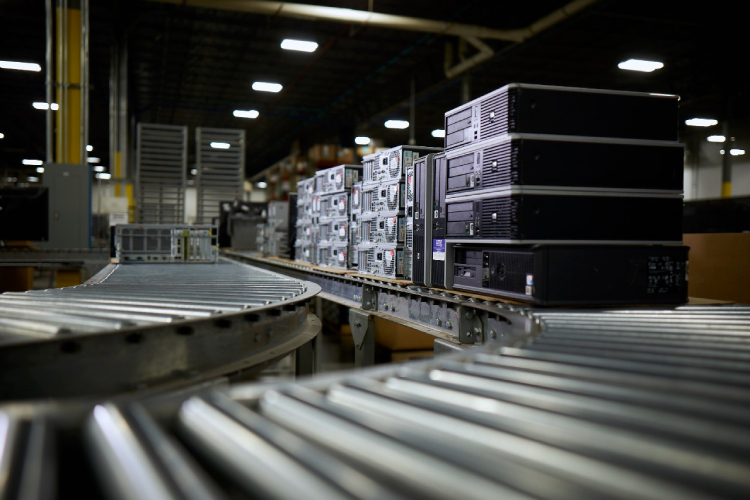
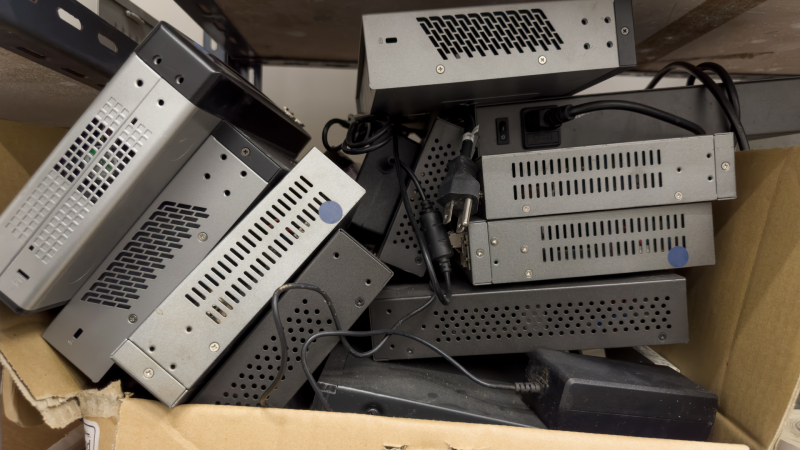
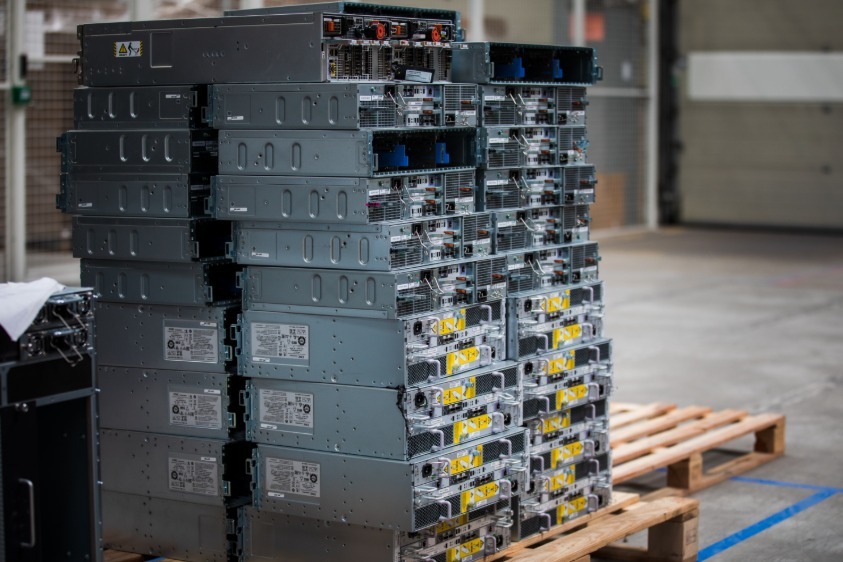
The ITAD process typically includes:


Key ITAD regulations and compliance standards in the United Kingdom
Navigating data privacy laws and e-waste mandates is critical when retiring enterprise technology. Failure to comply can lead to regulatory fines, legal liabilities, and lasting brand damage.
Key UK compliance frameworks and standards include:
- PCI DSS: Requires cardholder data that is no longer needed to be securely deleted or rendered unrecoverable, including when electronic media is retired.
- UK GDPR / Data Protection Act 2018: Requires organisations to protect personal data throughout its lifecycle and securely dispose of personal data when it is no longer required. Appropriate controls are needed when devices containing personal data are transferred, reused, or disposed of.
- WEEE Regulations: Enforces responsible collection, recovery, and recycling of electrical and electronic equipment.
- NCSC Secure Sanitisation Guidance Provides UK government guidance for securely sanitising and disposing of electronic storage media, including appropriate approaches for reuse, disposal, and physical destruction based on data sensitivity and risk.
- Environmental Protection Act 1990 & Duty of Care: Requires businesses to take reasonable steps to ensure waste is managed responsibly and transferred only to authorised persons. For non-hazardous waste, businesses generally must complete and retain waste transfer documentation for two years. Additional requirements apply to hazardous waste.
The critical role of data destruction and information security in the ITAD process
Data destruction is the most essential safeguard in the hardware retirement process. Retiring servers, laptops, or storage drives without verified data removal potentially leaves sensitive corporate information vulnerable to exposure, regulatory penalties, and legal action.
Depending on device sensitivity and compliance requirements, data destruction typically involves:
- NCSC-aligned and NIST SP 800-88-compliant, certified data erasure
- Physical destruction of storage media
- On-site data destruction services
- Certificates of destruction
Documented data destruction protects your brand from privacy liabilities and verifies data on decommissioned drives is thoroughly destroyed.
Secure IT asset disposition from Iron Mountain
Iron Mountain® Secure IT Asset Disposition helps protect your enterprise from data breach exposure and compliance liabilities during technology refreshes. We deliver secure, traceable, and environmentally responsible retirement workflows for computers, phones, servers, and sensitive storage drives.
Specialised ITAD services include:
- Secure collection and logistics
- Data sanitisation
- Secure media destruction
- Remarketing
- E-waste recycling
- Audit-ready reporting and certificates of destruction
With the right ITAD process in place, organisations can reduce security risks, strengthen internal controls, and maximise the efficiency of their technology lifecycle.
FAQ
Why is secure data destruction important during IT equipment disposal?
Retired devices often still contain sensitive information. Secure data destruction helps prevent unauthorised access, protects business and customer data, and supports compliance with internal and legal requirements.
Can old IT equipment be reused or resold?
Yes. Some devices can be refurbished, redeployed, or remarketed, depending on their condition, age, and security profile. This can help recover value and reduce waste.
What documentation should British businesses keep during the disposal process?
Organisations should keep records such as asset lists, retirement records, approvals, chain-of-custody documents, certificates of destruction, and recycling or disposition reports.
Why is the ITAD documentation and chain of custody necessary?
Documentation is a core part of secure IT asset disposal. Organisations need records that show what was retired, how it was handled, and what the final outcome was. This helps support governance, strengthens control, and makes the process easier to verify.
Typical records may include:
- Asset retirement or decommissioning records
- Item lists and equipment details
- Internal approvals
- Chain-of-custody records
- Certificates of data destruction
- Recycling and disposition reports
- Settlement or value recovery reports where relevant
Good documentation reduces uncertainty and helps demonstrate that the organisation followed a controlled and compliant process.
What should an IT equipment retirement record include?
An equipment retirement record should clearly identify the asset, explain why it is being removed from service, and show what happened next. It should be detailed enough to support asset control and future review.
A best-practice record includes:
- Internal asset or inventory number
- Device serial number
- Equipment make and model
- Business unit or location
- Technical condition
- Reason for retirement
- Intended next step, such as resale, recycling, or destruction
- Date of retirement
- Names or sign-off from responsible parties
- Date and details of asset transfer / handoff
- Final disposition and date
- Certificate of data destruction
How can UK businesses dispose of IT equipment more responsibly?
The best approach is to use a structured process and work with an experienced provider that can support secure data destruction, controlled logistics, responsible recycling, and full reporting.